In this article
Somewhere in the Amazon basin, people have been drinking a bitter vine brew for at least a thousand years. Healers called it ayahuasca, from the Quechua words for "vine of the soul" or "vine of the dead," depending on who you ask. Today, that same brew is showing up in clinical trials for depression, PTSD, and addiction at research centers in Brazil, Canada, and the Netherlands.
The distance between those two facts is remarkable. A plant medicine used in indigenous ceremonies for generations is now being measured in randomized controlled trials, fMRI scanners, and pharmacology labs. This piece covers both worlds: what ayahuasca is, how it works in the brain, what the experience is actually like, what the research shows, and what the real risks are.
What Is Ayahuasca?
Ayahuasca is a brew made by boiling two plants together. The first is the Banisteriopsis caapi vine, which provides a class of compounds called beta-carboline alkaloids - primarily harmine, harmaline, and tetrahydroharmine. The second is typically a plant containing N,N-dimethyltryptamine (DMT), most commonly the shrub Psychotria viridis (known as chakruna) or Diplopterys cabrerana.
Neither plant produces a psychedelic effect on its own when taken orally. The chemistry only works when they are combined. Here is why.
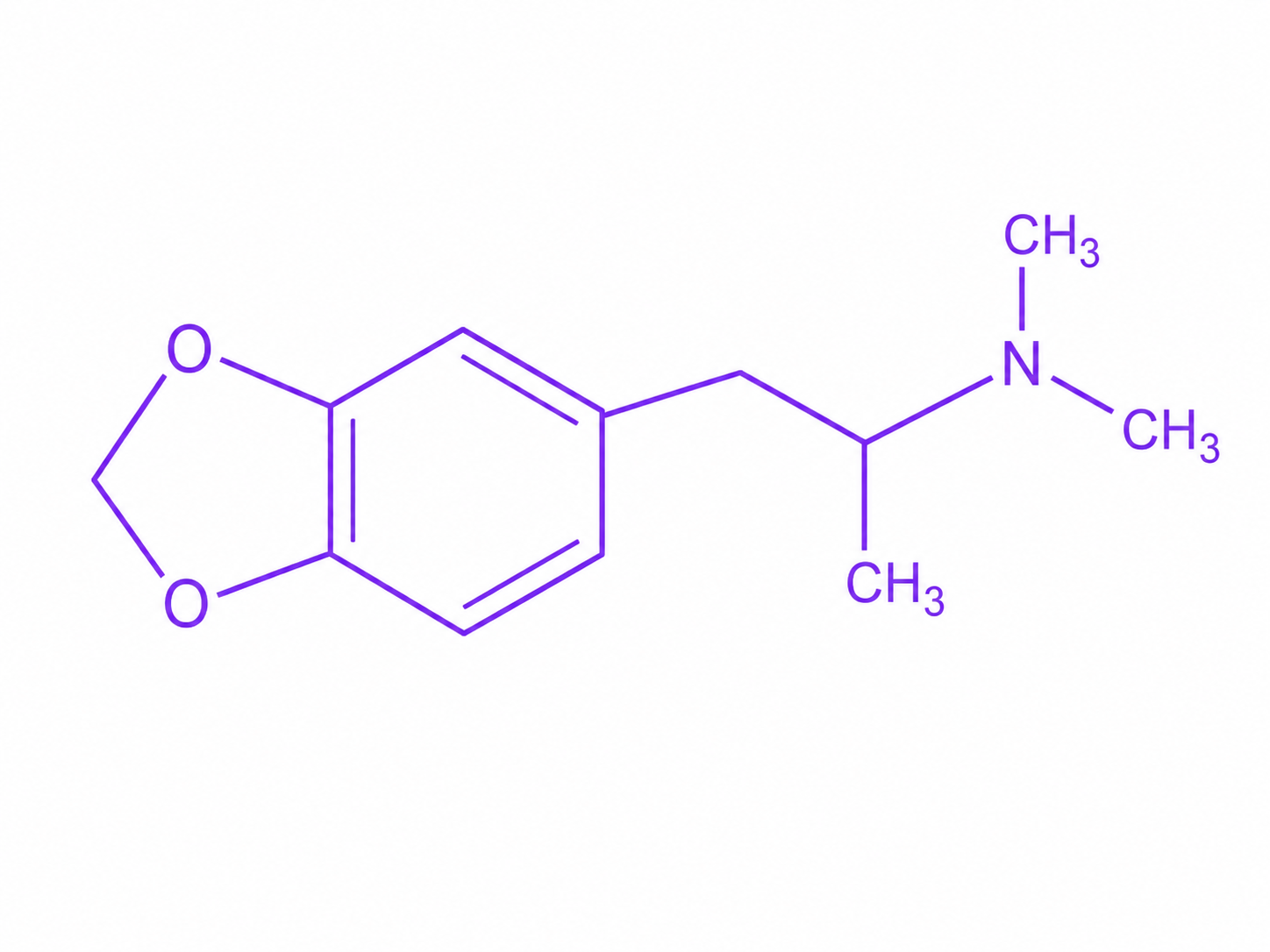
DMT is a potent psychedelic tryptamine that exists in many plants and, in trace amounts, in the human body. Taken by itself orally, the gut enzyme monoamine oxidase (MAO) breaks it down before it can reach the brain. The beta-carboline alkaloids in the B. caapi vine are reversible inhibitors of monoamine oxidase (RIMAs) - they temporarily block MAO long enough for oral DMT to survive digestion and cross the blood-brain barrier. The result is a psychedelic experience lasting four to six hours, far longer than smoked or injected DMT which peaks and fades in under twenty minutes.
This is a sophisticated bit of ethnobotany. Indigenous Amazonian healers figured out the correct combination without access to pharmacology - a fact that researchers studying the brew consistently find striking.
Indigenous Traditions and the Ceremonial Context
Ayahuasca has been central to the spiritual and healing practices of dozens of indigenous groups across the Amazon basin, including the Shipibo-Conibo, Shuar, Achuar, and many others. Each tradition has its own ceremonial protocols, songs (called icaros), and cosmology built around the brew.
The person leading the ceremony is typically called a curandero, ayahuascero, or vegetalista, depending on the tradition and region. This person has often trained for years, sometimes decades, learning the songs, the plant combinations, the safety protocols, and the interpretive frameworks that give the experience meaning. The healer is not just a facilitator - in the indigenous worldview, they are navigating a spiritual space alongside the participant.
Ceremonies are typically held at night, in darkness or near-darkness, with the healer singing icaros throughout. Participants may purge - vomiting is considered a cleansing process, not a side effect to be avoided. The total duration from first dose to the end of the active experience is typically four to six hours.
Ayahuasca use spread well beyond indigenous communities in the twentieth century. The Santo Daime and Uniao do Vegetal (UDV) churches, both founded in Brazil, integrate ayahuasca into Christian-influenced religious practice. Both have legal protections for ceremonial use in Brazil and, after litigation, in the United States as well. Western seekers began traveling to the Amazon for ceremonies in significant numbers starting in the 1980s and 1990s, a phenomenon that now constitutes a substantial tourism industry in Peru, Brazil, Ecuador, and Colombia.
Active Compounds: DMT and the Beta-Carbolines
Understanding what ayahuasca does requires understanding its two pharmacological components separately.
DMT (N,N-dimethyltryptamine) is a classical psychedelic that acts primarily as an agonist at serotonin 5-HT2A receptors in the brain's cortex. This is the same receptor that psilocybin (the active compound in magic mushrooms) and LSD target. The 5-HT2A receptor is densely expressed in the prefrontal cortex, and its activation produces profound alterations in perception, cognition, and sense of self. Researchers at Imperial College London have shown that 5-HT2A agonism increases entropy in brain activity - the brain's patterns of activity become less constrained, more varied, and less hierarchically organized than in normal waking consciousness.
The beta-carboline alkaloids from B. caapi - harmine, harmaline, and tetrahydroharmine - do more than block MAO. Harmine has antidepressant effects in animal models independent of its MAOI activity, possibly through neuroplasticity-promoting mechanisms. A 2017 study published in Translational Psychiatry found that harmine stimulates neurogenesis (the growth of new neurons) in human neural progenitor cells in vitro - a property that may contribute to the antidepressant effects some ayahuasca researchers have documented.
Tetrahydroharmine weakly inhibits serotonin reuptake, functioning something like a mild SSRI. The combined pharmacological profile of the ayahuasca brew is therefore more complex than either component alone: it involves 5-HT2A agonism, MAOI activity, serotonin reuptake inhibition, and possible neuroplastic effects - all simultaneously.
What the Experience Is Actually Like
Effects begin thirty to sixty minutes after drinking the brew. The onset is gradual but unmistakable: visual disturbances, geometric patterns, an intensification of emotions, and a felt sense that something significant is happening. Many people experience nausea before or alongside the onset of psychedelic effects.
The full experience typically involves:
- Visual effects: Closed-eye and open-eye visuals ranging from geometric patterns to elaborate narrative scenes. Many people report encounters with entities, animals, or figures they interpret as spirits or archetypal presences. Unlike LSD, which tends toward abstract visuals, ayahuasca experiences are often described as having a felt presence or intelligence.
- Emotional intensity: Difficult emotions often surface - grief, fear, past traumas. The experience is frequently described as not comfortable but meaningful. Many people report that the brew "shows you what you need to see" rather than what you want to see.
- Cognitive shifts: Altered sense of time, dissolution of ego boundaries, feelings of unity with nature or the universe. Some people report insights about their behavior patterns or relationships that feel revelatory and that persist after the experience ends.
- Physical sensations: Nausea and vomiting (the "purge"), sweating, increased heart rate, and physical sensitivity. The purge is considered by most indigenous practitioners and many Western researchers to be part of the therapeutic process.
The peak of the experience lasts roughly two to three hours, with a gradual return to baseline over the following one to two hours. Sleep is often difficult that night. The day or two following often involves a period of reflection and sometimes emotional tenderness.
How the experience unfolds depends heavily on what researchers call set and setting - the person's mindset going in and the physical and social environment. A skilled ceremony leader, a safe container, and clear intentions tend to produce very different experiences than unguided use in unfamiliar environments.
What the Research Shows
The clinical research on ayahuasca is younger and smaller than the literature on psilocybin or MDMA, but several well-designed studies have produced results that have attracted serious attention.
Enjoying this? Subscribe free.
Every Tuesday: psychedelic science, policy, and culture, decoded for humans.
You'll also get our free Top 10 Psychedelic Books guide.
You're in! Redirecting to your free guide...
A randomized controlled trial published in Psychological Medicine in 2019 by researchers at the Federal University of Rio Grande do Norte found that a single dose of ayahuasca produced significant reductions in depression scores compared to placebo in patients with treatment-resistant depression. The effects emerged rapidly - within hours of administration - and were maintained at a seven-day follow-up. Response rates (50% or greater reduction in symptoms) were 57% in the ayahuasca group compared to 20% in the placebo group.
The rapidity of antidepressant onset is a key finding. Standard antidepressants (SSRIs, SNRIs) typically require two to four weeks to show clinical effects. If ayahuasca can produce significant antidepressant effects within hours, the mechanism must differ from slow-onset pharmacological modulation - pointing toward the psychological experience itself and the neuroplastic effects of the compounds as likely drivers.
A prospective observational study published in Frontiers in Psychiatry in 2018 followed participants attending ayahuasca retreats in the Netherlands and found significant reductions in depression and stress over a four-week follow-up, along with increased satisfaction with life and increased mindfulness. These were not randomized trials, but the magnitude of the effects and their persistence pointed toward genuine change rather than transient mood shifts.
Researchers at the Johns Hopkins Center for Psychedelic and Consciousness Research have reviewed the ayahuasca literature and noted that most studies show positive effects on depression, anxiety, and substance use disorders, with the caveat that most existing studies are small and lack rigorous controls. The center has called for larger randomized trials - a call that several research groups are now responding to.
Studies examining ayahuasca's effects on substance use disorders have shown particular promise. A study published in Frontiers in Pharmacology found significant reductions in problematic alcohol and cocaine use following participation in ceremonial ayahuasca retreats. Research with indigenous Amazonian communities has found that ceremonial ayahuasca use is associated with lower rates of alcohol abuse - an association that holds even after controlling for cultural and social factors.
Risks and Safety Considerations
Ayahuasca is not a low-risk experience, and the framing of it as universally healing or safe for everyone is not supported by the evidence.
Serotonin syndrome is the most serious acute risk. The MAOI compounds in B. caapi interact dangerously with many psychiatric medications. Combining ayahuasca with SSRIs, SNRIs, tricyclic antidepressants, lithium, tramadol, or any other serotonergic drug can cause serotonin syndrome, which ranges from uncomfortable (agitation, tremor, diarrhea) to life-threatening (hyperthermia, seizures, cardiac arrhythmia). This is not a rare edge case - it is a predictable pharmacological interaction. Anyone taking psychiatric medications must discontinue them under medical supervision before considering ayahuasca, and must be honest about their medication history with ceremony providers.
Cardiovascular effects: The MAOI compounds also interact with tyramine-containing foods (aged cheeses, fermented foods, cured meats) to produce hypertensive crises. Traditional dietary restrictions followed before indigenous ceremonies are not arbitrary - they reflect practical knowledge of these interactions. Tachycardia (elevated heart rate) is a consistent acute effect of ayahuasca. People with significant cardiac conditions should consult a cardiologist before participating.
Psychological risks: Ayahuasca can precipitate or worsen psychotic episodes in people with personal or family histories of psychosis, schizophrenia, or bipolar disorder with psychotic features. The same is true of other psychedelics. A difficult or "bad" experience is not itself dangerous for psychologically stable people in supported settings, but for individuals with predispositions toward psychosis, the experience can trigger episodes that require clinical intervention.
Unregulated retreat industry: The ayahuasca retreat industry, particularly in Peru and other South American countries, is largely unregulated. Sexual assault by ceremony leaders has been documented. Substandard ceremony containers, untrained facilitators, and the use of adulterated or misidentified plant materials are real risks in the commercial retreat market. Organizations like the International Center for Ethnobotanical Education, Research, and Service (ICEERS) provide harm reduction resources and vetting criteria for people considering attending ceremonies.
The purge: Vomiting is common and considered by most experienced practitioners to be normal. Severe, prolonged vomiting can cause dehydration. Aspiration of vomit (inhaling it into the lungs) is a risk for people who are severely incapacitated or unconscious. This is why monitoring by an experienced facilitator matters.
Despite these risks, serious adverse events appear to be rare when ceremonies are conducted by experienced practitioners with appropriate screening and safety protocols. A 2020 survey of ayahuasca-related adverse events published in Journal of Psychoactive Drugs found that severe adverse events were uncommon among self-reported users, with most adverse events being expected acute effects (nausea, fear, confusion) that resolved within the ceremony.
Legal Status
Ayahuasca occupies a complicated legal position in most countries because the brew contains DMT, which is a Schedule I controlled substance in the United States and similarly classified in most European countries.
The B. caapi vine itself is not scheduled in the US. Psychotria viridis (chakruna) is not explicitly scheduled either. The brew, however, which contains DMT, falls under the Controlled Substances Act. Possession or distribution can result in federal charges.
Religious exemptions exist for two groups in the US. The Supreme Court ruled in 2006 (Gonzales v. O Centro Espirita Beneficente Uniao do Vegetal) that the UDV church has a constitutional right to use ayahuasca in its ceremonies under the Religious Freedom Restoration Act. The Santo Daime church has won similar protections through litigation. These exemptions are specific to these religious organizations and do not extend to ayahuasca use generally.
Some municipalities have moved toward decriminalization. Oakland and Seattle have deprioritized enforcement against plant medicines including ayahuasca. Oregon's Measure 109, which created a regulated psilocybin therapy framework, did not include ayahuasca - but the broader decriminalization movement has created more space for conversations about reform.
Brazil has had a national policy allowing ayahuasca use since 2010, after a government review found insufficient evidence of harm to justify prohibition. Peru officially recognizes ayahuasca as part of its "cultural heritage." The Netherlands has a legal gray area: the brew itself is not explicitly illegal, though DMT extraction is. Research in the Netherlands has proceeded under this framework.
For a current look at how US states approach psychedelic substances, the Psychedelic Laws Map is updated regularly.
Where the Science Is Headed
The field is moving quickly. As of 2025, registered clinical trials are examining ayahuasca for treatment-resistant depression (multiple sites in Brazil, Canada, and Europe), PTSD, grief, and eating disorders. The Brazilian research group BRAI3N and the Multidisciplinary Association for Psychedelic Studies (MAPS) have both indicated interest in designing trials that would meet FDA regulatory standards - a necessary step for any eventual approval pathway in the United States.
The neuroimaging work is also advancing. Studies using fMRI and EEG during ayahuasca experiences have mapped changes in default mode network activity, thalamic filtering, and oscillatory brain patterns that parallel findings from psilocybin research. The Gaia lab at the Harvard Medical School-affiliated McLean Hospital has conducted systematic neuroimaging studies that are helping identify biomarkers of therapeutic response.
One open question is mechanism: does the benefit come from the DMT component, the beta-carbolines, their interaction, the ceremonial set and setting, or some combination of all of these? Most researchers believe the answer is "all of the above" - which complicates both the clinical trial design and the eventual regulatory pathway, since isolating active ingredients is the standard pharmaceutical model, and ayahuasca resists that model.
What indigenous healers have known for centuries and what Western science is now beginning to formalize are not the same thing, and researchers working in this space are increasingly attentive to that gap. The most rigorous research programs have begun building collaborations with indigenous knowledge holders - both because it is ethically appropriate and because the practical knowledge embedded in traditional ceremony is clinically relevant information about how to work safely and effectively with this brew.
The science of ayahuasca is not finished. It is arguably just starting. For related reading, see what we have written about DMT - the active compound in the brew - and the broader picture in what psychedelics actually are.
Related reading
Enjoying this? Subscribe free.
Every Tuesday: psychedelic science, policy, and culture, decoded for humans.
You'll also get our free Top 10 Psychedelic Books guide.
You're in.
Redirecting to your free book guide...